
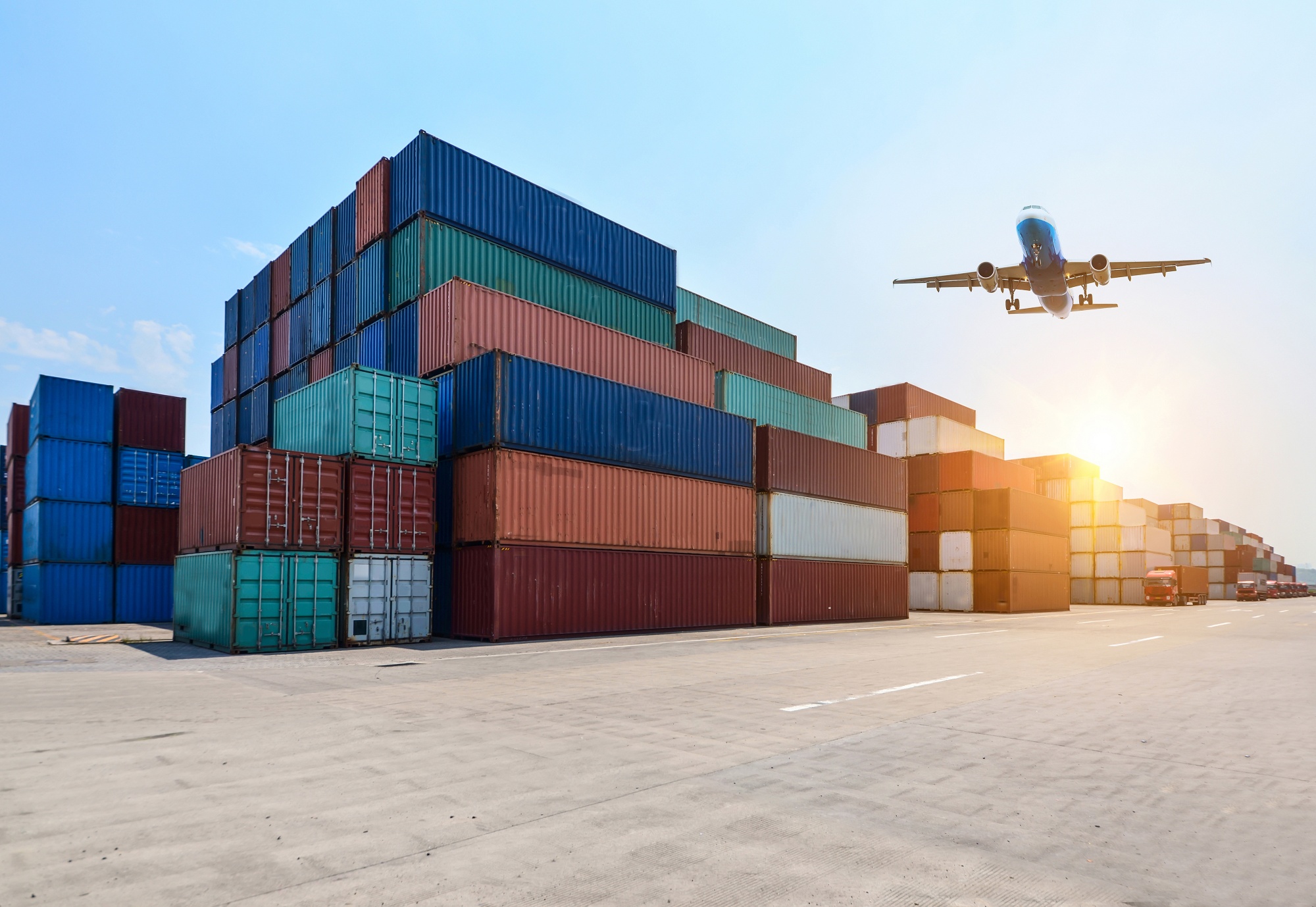
01. Maritime Transport: Advantages and Limitations
Advantages
- Competitive pricing on large volumes: ideal for heavy or bulky goods like raw materials, industrial equipment, and mass-produced products.
- Massive capacity: thousands of tons per container, allowing cost optimization through consolidation.
- Reliability on long-haul routes: especially intercontinental shipments.
Limitations
- Longer transit times: weeks to a month impact supply chain responsiveness and inventory cycles.
- Complex administration and customs: increase potential delays and hidden costs, requiring expert handling.
- Not suited for perishables: or time-sensitive goods.
02. Air Transport: Advantages and Limitations
Advantages
- Unmatched speed: typically delivery within days, critical for fast-moving, high-demand products (tech, fashion, spare parts).
- Superior tracking and traceability: due to advanced technologies.
- Fewer volume constraints: enabling shipment of high-value, smaller-batch products.
Limitations
- High cost per kilogram or cubic meter: squeezing margins especially on large or heavy items.
- Limited capacity: complicates bulk transport.
- Vulnerable to geopolitical and climate disruptions: risking service reliability.
03. Strategic Approach to Boost International Revenue
Tailor transport choice by product type and market with a thorough analysis of your product range, volumes, seasonality, and target markets.
Choose Maritime
For low unit value and bulky goods to maximize margin preservation via low cost per unit.
Choose Air
For high value and time-sensitive goods to improve customer satisfaction and seize quick commercial opportunities.
💡 Optimal Solution: Hybrid logistics solutions managed by experienced freight forwarders are recommended to balance cost, timeline, and regulatory compliance, minimizing hidden charges.
04. Impact of Disputes: A Risk to Mitigate
Logistics disputes (delays, losses, damage, paperwork errors) can cause significant overruns and disrupt supply chains.
Maritime Risks
Longer transit exposes goods to damage and customs hold-ups, harming product availability and cash flow, slowing growth.
Air Transport Risks
Losses or damage in high-value cargo and schedule disruptions raise costs and damage customer trust.
Freight forwarders mitigate these risks by:
- Proactively managing contractual risks and insurance
- Quickly handling claims to limit cost impact
- Advising on optimal transport modes for secure, margin-protective flows
05. Role of the Freight Forwarder in International Growth
An expert freight forwarder:
- Crafts transport strategies aligned with volume, product, and commercial needs.
- Manages logistics from booking to delivery, optimizing costs and lead times.
- Provides personalized tracking and contingency plans for disruptions.
- Transforms logistics into a business growth lever, not just a cost center.
Key Takeaways
- Transport choice is a strategic business decision affecting unit economics, customer experience, and growth trajectory.
- Maritime offers scale and cost efficiency but requires managing longer lead times.
- Air transport delivers speed and responsiveness, supporting premium pricing at higher costs.
- Freight forwarders are strategic partners offering market intelligence, risk management, and operational excellence.
Conclusion
Choosing between maritime and air transport is not just a logistics decision but a real business lever. The optimization between cost and time, tailored to your products and markets, determines your global competitiveness and customer service quality.
By partnering with an expert freight forwarder, you secure this key to success and give your company every chance to grow internationally.