01. What Is the Supply Chain?
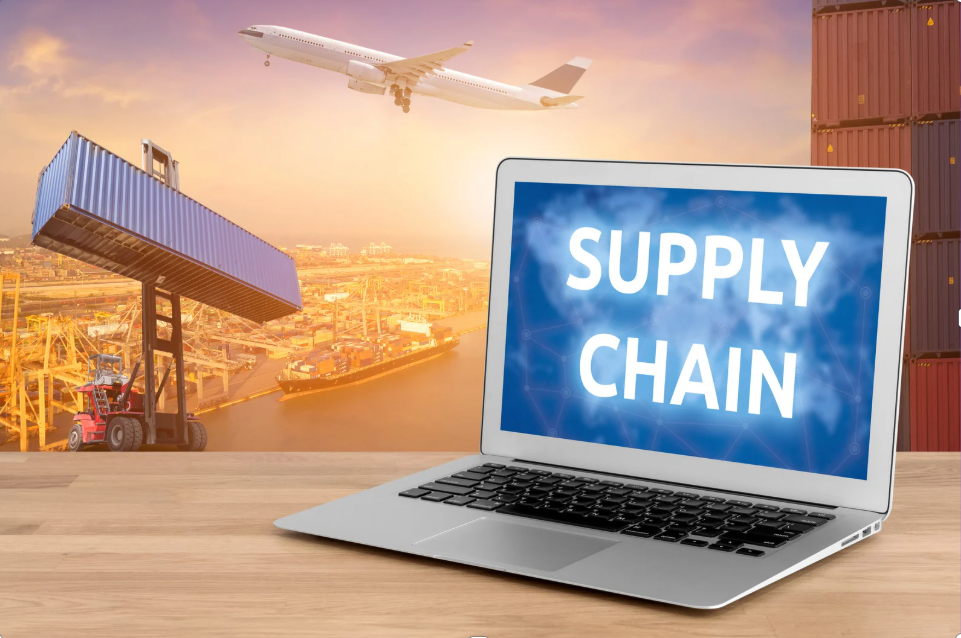
The supply chain is the entire journey your product takes—from raw materials or production sites all the way to your customer's hands. It involves multiple activities: sourcing suppliers, manufacturing, quality control, warehousing, managing orders, and critically, transporting goods.
Transportation is often the most visible part of this chain, but it also carries some of the biggest challenges and opportunities, particularly when crossing borders.
02. Why Transportation Matters in Import/Export
Transport is not just about moving boxes from point A to B. It:
- Defines delivery times: How fast can your goods reach customers?
- Impacts costs: Transport expenses can be a large portion of your total product cost.
- Dictates reliability: Delays or damage directly affect your reputation and bottom line.
- Involves compliance: Crossing international borders requires extensive paperwork and understanding of customs rules.
Main Modes of Transport
Road Transport
Best for short to medium distances, especially inland deliveries. Trucks provide door-to-door service and flexibility. Ideal for last-mile delivery or connecting ports with warehouses.
Sea Freight
The most economical choice for large volumes or heavy goods shipping internationally. Goods travel in containers, standardized metal boxes that simplify loading and handling. Takes longer—weeks instead of days.
Air Freight
Fastest mode, preferred for urgent, valuable, or sensitive items. Airlines have strict weight and size limits, and cost per kilogram is higher than other modes. Offers high reliability and tracking.
Rail Transport
An emerging preferred route for medium to long distances on land, especially between continents like Europe and Asia. Faster than sea but cheaper than air.
Many supply chains combine these modes to optimize costs and timing, a system known as multimodal transport.
03. The Freight Forwarder's Role: Your Logistics Partner
Handling international transport alone can be daunting—complex regulations, multiple carriers, insurance, and customs clearance are challenging tasks for new players. This is where hiring a freight forwarder makes sense.
Who Are Freight Forwarders?
Freight forwarders do not operate ships, trucks, or planes themselves. Instead, they act as expert coordinators for your shipments. They arrange bookings with carriers, prepare import/export documentation, manage customs clearance, and track cargo until delivery.
Why Use a Freight Forwarder?
- Simplifies complexity: They handle paperwork and compliance so you focus on your core business.
- Cost-effective: By leveraging their network and volume discounts, they can negotiate better rates.
- Risk reduction: Experienced forwarders anticipate delays, arrange insurance, and manage claims if issues occur.
- Flexibility and control: They provide real-time shipment tracking and proactive communication.
04. Strategic Impact on Your Business
Transportation can represent up to 30-40% of your total product cost, especially for international trade. Mistakes or inefficiencies here directly affect:
- Your profit margins through higher costs or penalties.
- Your customer satisfaction by impacting delivery reliability.
- Your brand reputation if problems become public or frequent.
💡 NOPA Tip: Factoring transport requirements early into your supply chain decisions helps avoid costly surprises and builds a competitive advantage.
05. Practical Tips for Entrepreneurs
- Know your products and business needs — volume, delivery deadlines, fragility.
- Select transport modes suited to your goals — cost versus speed trade-offs matter.
- Partner with a reliable freight forwarder who advises, executes, and troubleshoots.
- Understand customs and regulatory requirements early to avoid border delays.
- Track shipments proactively and maintain clear communication with all stakeholders.
Conclusion
Entering international trade is exciting but demands logistics know-how. Understanding your supply chain, especially the transportation layer, is crucial. Properly managed transport streamlines your operations, controls costs, and builds trust with customers worldwide.
By collaborating with seasoned freight forwarders, you gain invaluable expertise and peace of mind, letting you focus on growing your business confidently across borders.